Restore Healthy Conditions with Professional Dead Animal Removal
Reasons to Utilize Qualified Wildlife Management Services for a Safer Home Area
Wildlife intrusions pose substantial threats to residential safety. Many homeowners downplay the potential hazards linked to wildlife in their homes. Expert wildlife elimination services provide essential expertise in managing these risks. They not only address current invasions but also establish strategies to prevent future occurrences. Comprehending the medical consequences and the methods used by these professionals is vital for preserving a safe home setting. What specific threats do these animals pose, and how can experts effectively mitigate them?
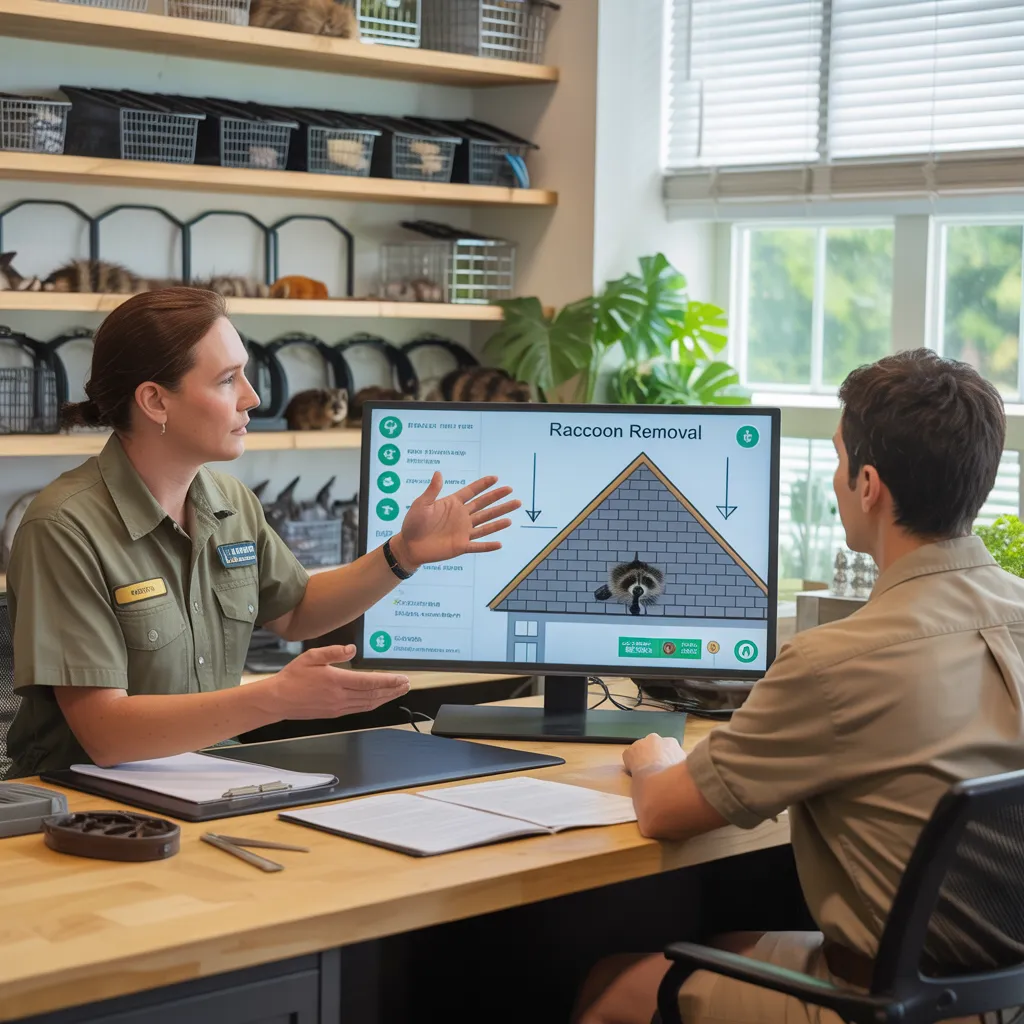
The Reasons You Should Be Concerned With Wildlife Invasions
Wildlife invasions create significant risks to homes and real estate. Creatures such as raccoons, squirrels, and bats can breach structures, leading to conceivable destruction and security issues. These invasions typically result in structural complications, including damaged wiring, insulation harm, and compromised roof coverings. In addition, wildlife can introduce parasites like fleas and ticks, which can influence both human and pet welfare.
In addition, many wild animals carry diseases that pose health risks to residents. Rabies, hantavirus, and leptospirosis are only a select samples of the perils caused by these encroaching creatures. Their occurrence can foster an environment of fear and anxiety for homeowners, disrupting routine activities and sense of security.
Disregarding the cues of wildlife intrusion can produce compounding troubles, making swift identification and response essential. Understanding the significance of wildlife intrusions is needed for keeping a safe and secure domestic space.
Why Professional Wildlife Removal Is Important for Safety
When property owners encounter wildlife invasions, obtaining professional wildlife control becomes essential for guaranteeing safety. Wild creatures, such as raccoons, squirrels, or bats, can pose various risks, including property destruction and potential injury to occupants. These animals may chew through electrical wiring, damage structural integrity, or cause unsanitary conditions.
Professional wildlife removal experts possess the necessary training and tools to manage these situations with safety and efficiency. They understand animal behavior and can implement humane strategies for removal, reducing anxiety for both the wildlife and the homeowners. Additionally, professionals can identify entry points and provide suggestions for future prevention, decreasing the chance of recurring issues.
What Health Hazards Associated With Wildlife in Your Home?
Discovering wildlife within your residence useful resource introduces several medical concerns that homeowners may not right away recognize. Creatures such as raccoons, rodents, and bats can carry multiple ailments that pose major hazards to people's health. For instance, raccoons are documented carriers of rabies, which can be life-threatening without prompt clinical intervention. Rodents, including mice and rats, can transmit hantavirus and salmonella through their droppings and urine, potentially leading in acute pulmonary complications and intestinal illnesses.
Additionally, wildlife can introduce parasites like fleas, ticks, and mites into the home, which can affect both humans and pets. The presence of these pests may lead to allergic reactions and skin irritations. Moreover, the structural damage caused by wildlife can create hidden hazards, such as mold growth from moisture accumulation. As a result, understanding these health risks underscores the importance of addressing wildlife issues promptly and effectively.
Methods Wildlife Removal Experts Use to Combat Health Threats
To efficiently lessen health risks linked to wildlife in homes, experts utilize a methodical approach that stresses safety and thoroughness. Initially, wildlife removal specialists perform a comprehensive inspection to pinpoint entry points and determine the extent of the infestation. This assessment allows them to comprehend potential health hazards, such as the spread of zoonotic diseases.
Once the evaluation is done, trained personnel apply gentle trapping methods to safely remove the animals, ensuring minimal stress to both the creatures and residents. They also wear protective gear to evade direct contact with wildlife and any contaminants that may be present.
During removal, trained professionals carefully clean and decontaminate the contaminated spaces, managing feces, urine, and nesting matter, which can harbor pathogens. This cleanup process is vital to achieving a secure and healthy space. By adhering to these established procedures, wildlife removal trained professionals substantially decrease health risks, offering peace of mind to homeowners.

How Preventative Methods Can Guard Your Home From Wildlife
Preventative approaches play an fundamental role in protecting homes from wildlife intrusions, as preventive tactics can notably reduce the likelihood of undesired wildlife presence. Homeowners can begin by closing fissures and openings in basement, exterior walls, and top surface, which serve as entry points for diverse creatures. Installing durable screens on vents and chimneys further augments protection.
Sustaining a clean yard is vital; reducing food options, like pet food or fallen fruits, can prevent wildlife from nearing. Consistently trimming trees and shrubs can eliminate potential nesting sites and obstruct access to roofs. Also, fastening trash bins with tight-fitting lids reduces nuisances.
Installing motion-activated lights and sound devices can also deter nocturnal wildlife from approaching homes. By implementing these preventative strategies, homeowners can significantly reduce the risk of wildlife intrusions, ensuring a more secure and pleasant living environment.
Tips for Choosing the Correct Wildlife Removal Service
Picking the correct wildlife removal service requires careful inspection of licensing and certification, as these credentials ensure compliance with local regulations. Additionally, appraising the experience and expertise of the service provider can greatly affect the effectiveness of the removal process. A well-informed decision can result in a more effective resolution of wildlife issues.
Registration And Endorsement Obligations
Selecting a wildlife removal service requires thorough review of license and certification standards to ensure safety and legal compliance. Licensed professionals adhere to state and local regulations, guaranteeing adherence with wildlife protection laws. Certification from recognized organizations indicates that the service provider has met industry standards in ethical trapping and extraction methods. It is essential to verify the credentials of any animal removal company, as this not only reflects their commitment to responsible conduct but also protects homeowners from potential legal issues. Additionally, certified services often invest in continuous education, keeping their methods up-to-date with the latest techniques and regulations. Consequently, confirming licensing and certification is a vital measure in choosing a reliable and responsible wildlife removal service.
Qualifications And Mastery Standards
A wealth of knowledge and skill can significantly impact the efficiency of a animal control company. Firms with deep experience in the field have the abilities necessary to identify species accurately and comprehend their habits. This understanding enables tailored solutions that ensure secure and compassionate extraction. Additionally, experienced professionals are knowledgeable about local laws and regulations, which helps in adherence and minimizes potential legal issues.
When choosing a animal control company, it is advisable to copyrightine client testimonials and inquire about the team's qualifications and credentials. A trusted business should also offer ongoing education for its staff, guaranteeing they stay updated on best practices and techniques. In the end, choosing a service with demonstrated expertise can result in a more secure household.
Frequently Posed Questions
How Much Will You Pay for Wildlife Removal Services?
Animal removal costs usually span $100 to $1,500, contingent upon factors such as the type of animal, the extent of the pest problem, and the particular services required. Pricing fluctuates considerably according to location and company.
What Categories of Wildlife Are Often Displaced?
Frequently eliminated wildlife includes raccoons, squirrels, bats, and opossums. These animals often infiltrate homes, creating potential hazards. Professional services successfully manage their removal, ensuring safety and preventing further infestations in home communities.
Do Wildlife Control Procedures Prioritize Ethical Care?
Animal removal methods can be compassionate, emphasizing safe relocation rather than elimination. Experts often employ traps and exclusion techniques designed to reduce injury, ensuring that animals are treated ethically while resolving conflicts between humans and wildlife successfully.
What duration does the extraction process need?
The extraction procedure typically requires between a few hours to several days, based on the species involved, the extent of the infestation, and the methods used. Each case needs a customized strategy for effective resolution.
Is it Feasible for Wildlife to Return Following Extraction?
Yes, wildlife can come back after takeout if appropriate preventative precautions are not put in place. Securing access zones and eliminating lures are vital actions to guarantee that animals do not re-inhabit the property in the future.